 a3a151c67a
Security & Stability:
- Add Next.js 16 proxy.ts for BetterAuth cookie-based auth protection
- Add rate limiting for API routes (src/lib/rate-limit.ts)
- Add Zod validation for chat API request bodies
- Add session auth check to chat and diagnostics endpoints
- Add security headers in next.config.ts (CSP, X-Frame-Options, etc.)
- Add file upload validation and sanitization in storage.ts

Core UX Components:
- Add error boundaries (error.tsx, not-found.tsx, chat/error.tsx)
- Add loading states (skeleton.tsx, spinner.tsx, loading.tsx files)
- Add toast notifications with Sonner
- Add form components (input.tsx, textarea.tsx, label.tsx)
- Add database indexes for performance (schema.ts)
- Enhance chat UX: timestamps, copy-to-clipboard, thinking indicator,
  error display, localStorage message persistence

Polish & Accessibility:
- Add Open Graph and Twitter card metadata
- Add JSON-LD structured data for SEO
- Add sitemap.ts, robots.ts, manifest.ts
- Add skip-to-content link and ARIA labels in site-header
- Enable profile page quick action buttons with dialogs
- Update Next.js 15 references to Next.js 16

Developer Experience:
- Add GitHub Actions CI workflow (lint, typecheck, build)
- Add Prettier configuration (.prettierrc, .prettierignore)
- Add .nvmrc pinning Node 20
- Add ESLint rules: import/order, react-hooks/exhaustive-deps
- Add stricter TypeScript settings (exactOptionalPropertyTypes,
  noImplicitOverride)
- Add interactive setup script (scripts/setup.ts)
- Add session utility functions (src/lib/session.ts)

All changes mirrored to create-agentic-app/template/

🤖 Generated with [Claude Code](https://claude.com/claude-code)

Co-Authored-By: Claude <noreply@anthropic.com>
296 lines
9.8 KiB
Markdown
296 lines
9.8 KiB
Markdown
# Agentic Coding Boilerplate
|
|
|
|
A complete agentic coding boilerplate with authentication, PostgreSQL database, AI chat functionality, and modern UI components - perfect for building AI-powered applications and autonomous agents.
|
|
|
|
## 🚀 Features
|
|
|
|
- **🔐 Authentication**: Better Auth with Google OAuth integration
|
|
- **🗃️ Database**: Drizzle ORM with PostgreSQL
|
|
- **🤖 AI Integration**: Vercel AI SDK with OpenRouter (access to 100+ AI models)
|
|
- **📁 File Storage**: Automatic local/Vercel Blob storage with seamless switching
|
|
- **🎨 UI Components**: shadcn/ui with Tailwind CSS
|
|
- **⚡ Modern Stack**: Next.js 16, React 19, TypeScript
|
|
- **📱 Responsive**: Mobile-first design approach
|
|
|
|
## 🎥 Video Tutorial
|
|
|
|
Watch the complete walkthrough of this agentic coding template:
|
|
|
|
[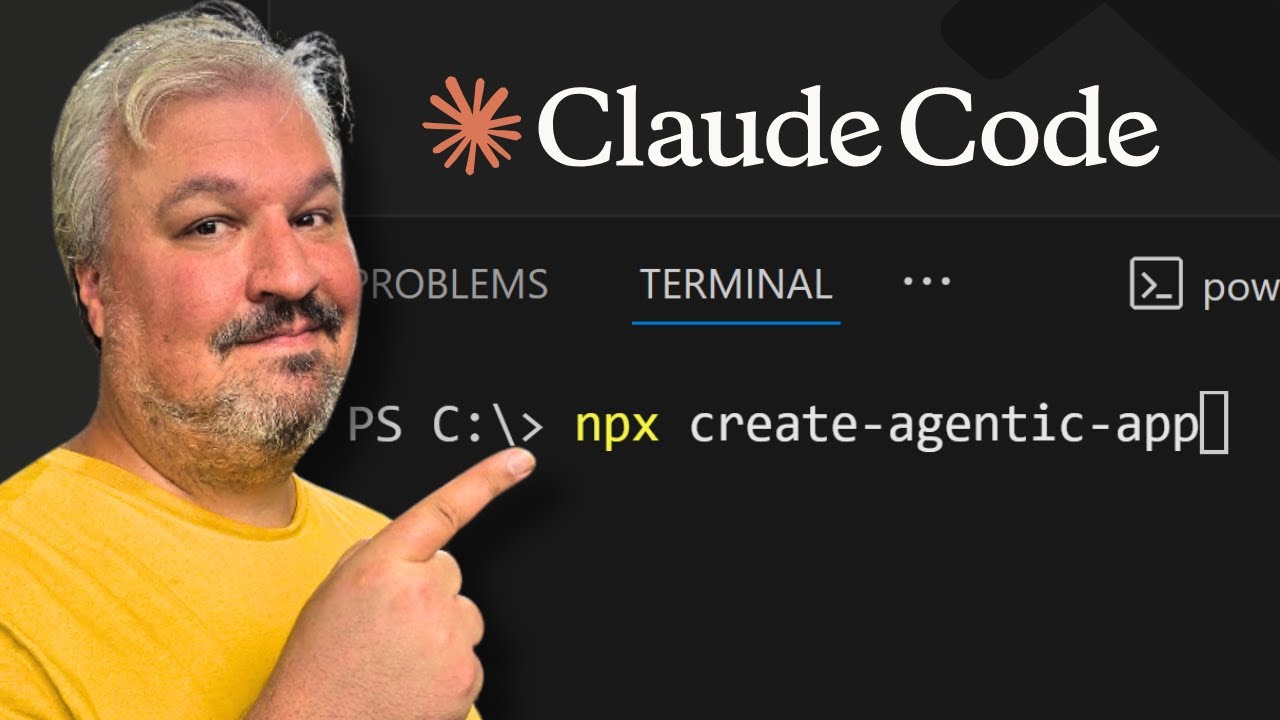](https://youtu.be/JQ86N3WOAh4)
|
|
|
|
<a href="https://youtu.be/JQ86N3WOAh4" target="_blank" rel="noopener noreferrer">🔗 Watch on YouTube</a>
|
|
|
|
## ☕ Support This Project
|
|
|
|
If this boilerplate helped you build something awesome, consider buying me a coffee!
|
|
|
|
[](https://www.buymeacoffee.com/leonvanzyl)
|
|
|
|
## 📋 Prerequisites
|
|
|
|
Before you begin, ensure you have the following installed on your machine:
|
|
|
|
- **Node.js**: Version 18.0 or higher (<a href="https://nodejs.org/" target="_blank">Download here</a>)
|
|
- **Git**: For cloning the repository (<a href="https://git-scm.com/" target="_blank">Download here</a>)
|
|
- **PostgreSQL**: Either locally installed or access to a hosted service like Vercel Postgres
|
|
|
|
## 🛠️ Quick Setup
|
|
|
|
### Automated Setup (Recommended)
|
|
|
|
Get started with a single command:
|
|
|
|
```bash
|
|
npx create-agentic-app@latest my-app
|
|
cd my-app
|
|
```
|
|
|
|
Or create in the current directory:
|
|
|
|
```bash
|
|
npx create-agentic-app@latest .
|
|
```
|
|
|
|
The CLI will:
|
|
- Copy all boilerplate files
|
|
- Install dependencies with your preferred package manager (pnpm/npm/yarn)
|
|
- Set up your environment file
|
|
|
|
**Next steps after running the command:**
|
|
|
|
1. Update `.env` with your API keys and database credentials
|
|
2. Start the database: `docker compose up -d`
|
|
3. Run migrations: `npm run db:migrate`
|
|
4. Start dev server: `npm run dev`
|
|
|
|
### Manual Setup (Alternative)
|
|
|
|
If you prefer to set up manually:
|
|
|
|
**1. Clone or Download the Repository**
|
|
|
|
**Option A: Clone with Git**
|
|
|
|
```bash
|
|
git clone https://github.com/leonvanzyl/agentic-coding-starter-kit.git
|
|
cd agentic-coding-starter-kit
|
|
```
|
|
|
|
**Option B: Download ZIP**
|
|
Download the repository as a ZIP file and extract it to your desired location.
|
|
|
|
**2. Install Dependencies**
|
|
|
|
```bash
|
|
npm install
|
|
```
|
|
|
|
**3. Environment Setup**
|
|
|
|
Copy the example environment file:
|
|
|
|
```bash
|
|
cp env.example .env
|
|
```
|
|
|
|
Fill in your environment variables in the `.env` file:
|
|
|
|
```env
|
|
# Database
|
|
POSTGRES_URL="postgresql://username:password@localhost:5432/your_database_name"
|
|
|
|
# Authentication - Better Auth
|
|
BETTER_AUTH_SECRET="your-random-32-character-secret-key-here"
|
|
|
|
# Google OAuth (Get from Google Cloud Console)
|
|
GOOGLE_CLIENT_ID="your-google-client-id"
|
|
GOOGLE_CLIENT_SECRET="your-google-client-secret"
|
|
|
|
# AI Integration via OpenRouter (Optional - for chat functionality)
|
|
# Get your API key from: https://openrouter.ai/settings/keys
|
|
# View available models at: https://openrouter.ai/models
|
|
OPENROUTER_API_KEY="sk-or-v1-your-openrouter-api-key-here"
|
|
OPENROUTER_MODEL="openai/gpt-5-mini"
|
|
|
|
# App URL (for production deployments)
|
|
NEXT_PUBLIC_APP_URL="http://localhost:3000"
|
|
|
|
# File Storage (Optional - for file upload functionality)
|
|
# Leave empty to use local storage (public/uploads/) in development
|
|
# Set to enable Vercel Blob storage in production
|
|
BLOB_READ_WRITE_TOKEN=""
|
|
```
|
|
|
|
**4. Database Setup**
|
|
|
|
Generate and run database migrations:
|
|
|
|
```bash
|
|
npm run db:generate
|
|
npm run db:migrate
|
|
```
|
|
|
|
**5. Start the Development Server**
|
|
|
|
```bash
|
|
npm run dev
|
|
```
|
|
|
|
Your application will be available at [http://localhost:3000](http://localhost:3000)
|
|
|
|
## ⚙️ Service Configuration
|
|
|
|
### PostgreSQL Database on Vercel
|
|
|
|
1. Go to <a href="https://vercel.com/dashboard" target="_blank">Vercel Dashboard</a>
|
|
2. Navigate to the **Storage** tab
|
|
3. Click **Create** → **Postgres**
|
|
4. Choose your database name and region
|
|
5. Copy the `POSTGRES_URL` from the `.env.local` tab
|
|
6. Add it to your `.env` file
|
|
|
|
### Google OAuth Credentials
|
|
|
|
1. Go to <a href="https://console.cloud.google.com/" target="_blank">Google Cloud Console</a>
|
|
2. Create a new project or select an existing one
|
|
3. Navigate to **Credentials** → **Create Credentials** → **OAuth 2.0 Client ID**
|
|
4. Set application type to **Web application**
|
|
5. Add authorized redirect URIs:
|
|
- `http://localhost:3000/api/auth/callback/google` (development)
|
|
- `https://yourdomain.com/api/auth/callback/google` (production)
|
|
6. Copy the **Client ID** and **Client Secret** to your `.env` file
|
|
|
|
### OpenRouter API Key
|
|
|
|
1. Go to <a href="https://openrouter.ai/" target="_blank">OpenRouter</a>
|
|
2. Sign up or log in to your account
|
|
3. Navigate to **Settings** → **Keys** or visit <a href="https://openrouter.ai/settings/keys" target="_blank">Keys Settings</a>
|
|
4. Click **Create Key** and give it a name
|
|
5. Copy the API key and add it to your `.env` file as `OPENROUTER_API_KEY`
|
|
6. Browse available models at <a href="https://openrouter.ai/models" target="_blank">OpenRouter Models</a>
|
|
|
|
### File Storage Configuration
|
|
|
|
The project includes a flexible storage abstraction that automatically switches between local filesystem storage (development) and Vercel Blob storage (production).
|
|
|
|
**For Development (Local Storage):**
|
|
- Leave `BLOB_READ_WRITE_TOKEN` empty or unset in your `.env` file
|
|
- Files are automatically stored in `public/uploads/`
|
|
- Files are served at `/uploads/` URL path
|
|
- No external service or configuration needed
|
|
|
|
**For Production (Vercel Blob):**
|
|
1. Go to <a href="https://vercel.com/dashboard" target="_blank">Vercel Dashboard</a>
|
|
2. Navigate to your project → **Storage** tab
|
|
3. Click **Create** → **Blob**
|
|
4. Copy the `BLOB_READ_WRITE_TOKEN` from the integration
|
|
5. Add it to your production environment variables
|
|
|
|
The storage service automatically detects which backend to use based on the presence of the `BLOB_READ_WRITE_TOKEN` environment variable.
|
|
|
|
## 🗂️ Project Structure
|
|
|
|
```
|
|
src/
|
|
├── app/ # Next.js app directory
|
|
│ ├── api/ # API routes
|
|
│ │ ├── auth/ # Authentication endpoints
|
|
│ │ └── chat/ # AI chat endpoint
|
|
│ ├── chat/ # AI chat page
|
|
│ ├── dashboard/ # User dashboard
|
|
│ └── page.tsx # Home page
|
|
├── components/ # React components
|
|
│ ├── auth/ # Authentication components
|
|
│ └── ui/ # shadcn/ui components
|
|
└── lib/ # Utilities and configurations
|
|
├── auth.ts # Better Auth configuration
|
|
├── auth-client.ts # Client-side auth utilities
|
|
├── db.ts # Database connection
|
|
├── schema.ts # Database schema
|
|
├── storage.ts # File storage abstraction
|
|
└── utils.ts # General utilities
|
|
```
|
|
|
|
## 🔧 Available Scripts
|
|
|
|
```bash
|
|
npm run dev # Start development server with Turbopack
|
|
npm run build # Build for production
|
|
npm run start # Start production server
|
|
npm run lint # Run ESLint
|
|
npm run db:generate # Generate database migrations
|
|
npm run db:migrate # Run database migrations
|
|
npm run db:push # Push schema changes to database
|
|
npm run db:studio # Open Drizzle Studio (database GUI)
|
|
npm run db:dev # Push schema for development
|
|
npm run db:reset # Reset database (drop all tables)
|
|
```
|
|
|
|
## 📖 Pages Overview
|
|
|
|
- **Home (`/`)**: Landing page with setup instructions and features overview
|
|
- **Dashboard (`/dashboard`)**: Protected user dashboard with profile information
|
|
- **Chat (`/chat`)**: AI-powered chat interface using OpenRouter (requires authentication)
|
|
|
|
## 🚀 Deployment
|
|
|
|
### Deploy to Vercel (Recommended)
|
|
|
|
1. Install the Vercel CLI globally:
|
|
|
|
```bash
|
|
npm install -g vercel
|
|
```
|
|
|
|
2. Deploy your application:
|
|
|
|
```bash
|
|
vercel --prod
|
|
```
|
|
|
|
3. Follow the prompts to configure your deployment
|
|
4. Add your environment variables when prompted or via the Vercel dashboard
|
|
|
|
### Production Environment Variables
|
|
|
|
Ensure these are set in your production environment:
|
|
|
|
- `POSTGRES_URL` - Production PostgreSQL connection string
|
|
- `BETTER_AUTH_SECRET` - Secure random 32+ character string
|
|
- `GOOGLE_CLIENT_ID` - Google OAuth Client ID
|
|
- `GOOGLE_CLIENT_SECRET` - Google OAuth Client Secret
|
|
- `OPENROUTER_API_KEY` - OpenRouter API key (optional, for AI chat functionality)
|
|
- `OPENROUTER_MODEL` - Model name from OpenRouter (optional, defaults to openai/gpt-5-mini)
|
|
- `NEXT_PUBLIC_APP_URL` - Your production domain
|
|
- `BLOB_READ_WRITE_TOKEN` - Vercel Blob token (optional, uses local storage if not set)
|
|
|
|
## 🎥 Tutorial Video
|
|
|
|
Watch my comprehensive tutorial on how to use this agentic coding boilerplate to build AI-powered applications:
|
|
|
|
<a href="https://youtu.be/JQ86N3WOAh4" target="_blank" rel="noopener noreferrer">📺 YouTube Tutorial - Building with Agentic Coding Boilerplate</a>
|
|
|
|
## 🤝 Contributing
|
|
|
|
1. Fork this repository
|
|
2. Create a feature branch (`git checkout -b feature/amazing-feature`)
|
|
3. Commit your changes (`git commit -m 'Add amazing feature'`)
|
|
4. Push to the branch (`git push origin feature/amazing-feature`)
|
|
5. Open a Pull Request
|
|
|
|
## 📝 License
|
|
|
|
This project is licensed under the MIT License - see the [LICENSE](LICENSE) file for details.
|
|
|
|
## 🆘 Need Help?
|
|
|
|
If you encounter any issues:
|
|
|
|
1. Check the [Issues](https://github.com/leonvanzyl/agentic-coding-starter-kit/issues) section
|
|
2. Review the documentation above
|
|
3. Create a new issue with detailed information about your problem
|
|
|
|
---
|
|
|
|
**Happy coding! 🚀**
|