Compare commits
1 Commits
ralph/fix/
...
crunchyman
| Author | SHA1 | Date | |
|---|---|---|---|

|
641a43c7bc |
695
README.md
695
README.md
@@ -1,62 +1,70 @@
|
|||||||
# Task Master
|
# Task Master [](https://github.com/eyaltoledano/claude-task-master/stargazers)
|
||||||
|
|
||||||
[](https://github.com/eyaltoledano/claude-task-master/actions/workflows/ci.yml)
|
[](https://github.com/eyaltoledano/claude-task-master/actions/workflows/ci.yml) [](https://badge.fury.io/js/task-master-ai)
|
||||||
[](LICENSE)
|
|
||||||
[](https://badge.fury.io/js/task-master-ai)
|
|
||||||
|
|
||||||
### by [@eyaltoledano](https://x.com/eyaltoledano)
|
 [](LICENSE)
|
||||||
|
|
||||||
|
### By [@eyaltoledano](https://x.com/eyaltoledano) & [@RalphEcom](https://x.com/RalphEcom)
|
||||||
|
|
||||||
|
[](https://x.com/eyaltoledano)
|
||||||
|
[](https://x.com/RalphEcom)
|
||||||
|
|
||||||
A task management system for AI-driven development with Claude, designed to work seamlessly with Cursor AI.
|
A task management system for AI-driven development with Claude, designed to work seamlessly with Cursor AI.
|
||||||
|
|
||||||
## Licensing
|
|
||||||
|
|
||||||
Task Master is licensed under the MIT License with Commons Clause. This means you can:
|
|
||||||
|
|
||||||
✅ **Allowed**:
|
|
||||||
|
|
||||||
- Use Task Master for any purpose (personal, commercial, academic)
|
|
||||||
- Modify the code
|
|
||||||
- Distribute copies
|
|
||||||
- Create and sell products built using Task Master
|
|
||||||
|
|
||||||
❌ **Not Allowed**:
|
|
||||||
|
|
||||||
- Sell Task Master itself
|
|
||||||
- Offer Task Master as a hosted service
|
|
||||||
- Create competing products based on Task Master
|
|
||||||
|
|
||||||
See the [LICENSE](LICENSE) file for the complete license text.
|
|
||||||
|
|
||||||
## Requirements
|
## Requirements
|
||||||
|
|
||||||
- Node.js 14.0.0 or higher
|
|
||||||
- Anthropic API key (Claude API)
|
- Anthropic API key (Claude API)
|
||||||
- Anthropic SDK version 0.39.0 or higher
|
|
||||||
- OpenAI SDK (for Perplexity API integration, optional)
|
- OpenAI SDK (for Perplexity API integration, optional)
|
||||||
|
|
||||||
## Configuration
|
## Quick Start
|
||||||
|
|
||||||
The script can be configured through environment variables in a `.env` file at the root of the project:
|
### Option 1 | MCP (Recommended):
|
||||||
|
|
||||||
### Required Configuration
|
MCP (Model Control Protocol) provides the easiest way to get started with Task Master directly in your editor.
|
||||||
|
|
||||||
- `ANTHROPIC_API_KEY`: Your Anthropic API key for Claude
|
1. **Add the MCP config to your editor** (Cursor recommended, but it works with other text editors):
|
||||||
|
|
||||||
### Optional Configuration
|
```json
|
||||||
|
{
|
||||||
|
"mcpServers": {
|
||||||
|
"taskmaster-ai": {
|
||||||
|
"command": "npx",
|
||||||
|
"args": ["-y", "task-master-ai", "mcp-server"],
|
||||||
|
"env": {
|
||||||
|
"ANTHROPIC_API_KEY": "YOUR_ANTHROPIC_API_KEY_HERE",
|
||||||
|
"PERPLEXITY_API_KEY": "YOUR_PERPLEXITY_API_KEY_HERE",
|
||||||
|
"MODEL": "claude-3-7-sonnet-20250219",
|
||||||
|
"PERPLEXITY_MODEL": "sonar-pro",
|
||||||
|
"MAX_TOKENS": 128000,
|
||||||
|
"TEMPERATURE": 0.2,
|
||||||
|
"DEFAULT_SUBTASKS": 5,
|
||||||
|
"DEFAULT_PRIORITY": "medium"
|
||||||
|
}
|
||||||
|
}
|
||||||
|
}
|
||||||
|
}
|
||||||
|
```
|
||||||
|
|
||||||
- `MODEL`: Specify which Claude model to use (default: "claude-3-7-sonnet-20250219")
|
2. **Enable the MCP** in your editor
|
||||||
- `MAX_TOKENS`: Maximum tokens for model responses (default: 4000)
|
|
||||||
- `TEMPERATURE`: Temperature for model responses (default: 0.7)
|
|
||||||
- `PERPLEXITY_API_KEY`: Your Perplexity API key for research-backed subtask generation
|
|
||||||
- `PERPLEXITY_MODEL`: Specify which Perplexity model to use (default: "sonar-medium-online")
|
|
||||||
- `DEBUG`: Enable debug logging (default: false)
|
|
||||||
- `LOG_LEVEL`: Log level - debug, info, warn, error (default: info)
|
|
||||||
- `DEFAULT_SUBTASKS`: Default number of subtasks when expanding (default: 3)
|
|
||||||
- `DEFAULT_PRIORITY`: Default priority for generated tasks (default: medium)
|
|
||||||
- `PROJECT_NAME`: Override default project name in tasks.json
|
|
||||||
- `PROJECT_VERSION`: Override default version in tasks.json
|
|
||||||
|
|
||||||
## Installation
|
3. **Prompt the AI** to initialize Task Master:
|
||||||
|
|
||||||
|
```
|
||||||
|
Can you please initialize taskmaster-ai into my project?
|
||||||
|
```
|
||||||
|
|
||||||
|
4. **Use common commands** directly through your AI assistant:
|
||||||
|
|
||||||
|
```txt
|
||||||
|
Can you parse my PRD at scripts/prd.txt?
|
||||||
|
What's the next task I should work on?
|
||||||
|
Can you help me implement task 3?
|
||||||
|
Can you help me expand task 4?
|
||||||
|
```
|
||||||
|
|
||||||
|
### Option 2: Using Command Line
|
||||||
|
|
||||||
|
#### Installation
|
||||||
|
|
||||||
```bash
|
```bash
|
||||||
# Install globally
|
# Install globally
|
||||||
@@ -66,7 +74,7 @@ npm install -g task-master-ai
|
|||||||
npm install task-master-ai
|
npm install task-master-ai
|
||||||
```
|
```
|
||||||
|
|
||||||
### Initialize a new project
|
#### Initialize a new project
|
||||||
|
|
||||||
```bash
|
```bash
|
||||||
# If installed globally
|
# If installed globally
|
||||||
@@ -78,14 +86,7 @@ npx task-master-init
|
|||||||
|
|
||||||
This will prompt you for project details and set up a new project with the necessary files and structure.
|
This will prompt you for project details and set up a new project with the necessary files and structure.
|
||||||
|
|
||||||
### Important Notes
|
#### Common Commands
|
||||||
|
|
||||||
1. This package uses ES modules. Your package.json should include `"type": "module"`.
|
|
||||||
2. The Anthropic SDK version should be 0.39.0 or higher.
|
|
||||||
|
|
||||||
## Quick Start with Global Commands
|
|
||||||
|
|
||||||
After installing the package globally, you can use these CLI commands from any directory:
|
|
||||||
|
|
||||||
```bash
|
```bash
|
||||||
# Initialize a new project
|
# Initialize a new project
|
||||||
@@ -104,6 +105,16 @@ task-master next
|
|||||||
task-master generate
|
task-master generate
|
||||||
```
|
```
|
||||||
|
|
||||||
|
## Documentation
|
||||||
|
|
||||||
|
For more detailed information, check out the documentation in the `docs` directory:
|
||||||
|
|
||||||
|
- [Configuration Guide](docs/configuration.md) - Set up environment variables and customize Task Master
|
||||||
|
- [Tutorial](docs/tutorial.md) - Step-by-step guide to getting started with Task Master
|
||||||
|
- [Command Reference](docs/command-reference.md) - Complete list of all available commands
|
||||||
|
- [Task Structure](docs/task-structure.md) - Understanding the task format and features
|
||||||
|
- [Example Interactions](docs/examples.md) - Common Cursor AI interaction examples
|
||||||
|
|
||||||
## Troubleshooting
|
## Troubleshooting
|
||||||
|
|
||||||
### If `task-master init` doesn't respond:
|
### If `task-master init` doesn't respond:
|
||||||
@@ -122,577 +133,25 @@ cd claude-task-master
|
|||||||
node scripts/init.js
|
node scripts/init.js
|
||||||
```
|
```
|
||||||
|
|
||||||
## Task Structure
|
## Star History
|
||||||
|
|
||||||
Tasks in tasks.json have the following structure:
|
[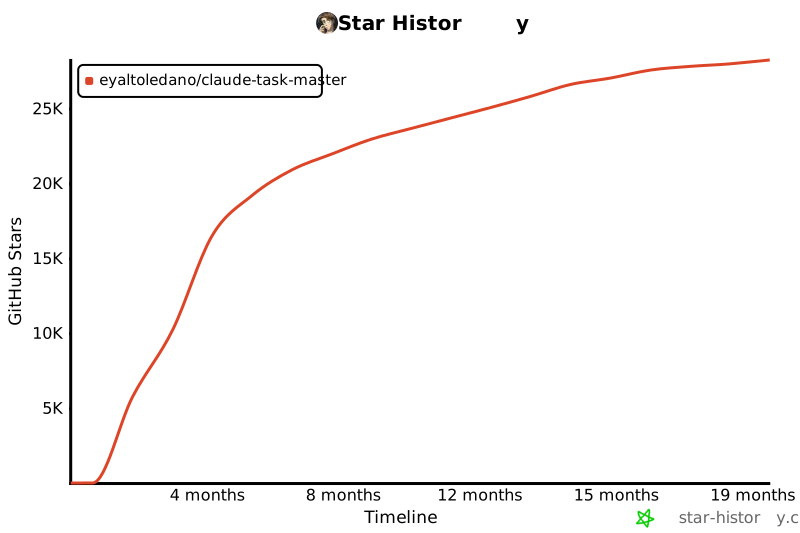](https://www.star-history.com/#eyaltoledano/claude-task-master&Timeline)
|
||||||
|
|
||||||
- `id`: Unique identifier for the task (Example: `1`)
|
## Licensing
|
||||||
- `title`: Brief, descriptive title of the task (Example: `"Initialize Repo"`)
|
|
||||||
- `description`: Concise description of what the task involves (Example: `"Create a new repository, set up initial structure."`)
|
|
||||||
- `status`: Current state of the task (Example: `"pending"`, `"done"`, `"deferred"`)
|
|
||||||
- `dependencies`: IDs of tasks that must be completed before this task (Example: `[1, 2]`)
|
|
||||||
- Dependencies are displayed with status indicators (✅ for completed, ⏱️ for pending)
|
|
||||||
- This helps quickly identify which prerequisite tasks are blocking work
|
|
||||||
- `priority`: Importance level of the task (Example: `"high"`, `"medium"`, `"low"`)
|
|
||||||
- `details`: In-depth implementation instructions (Example: `"Use GitHub client ID/secret, handle callback, set session token."`)
|
|
||||||
- `testStrategy`: Verification approach (Example: `"Deploy and call endpoint to confirm 'Hello World' response."`)
|
|
||||||
- `subtasks`: List of smaller, more specific tasks that make up the main task (Example: `[{"id": 1, "title": "Configure OAuth", ...}]`)
|
|
||||||
|
|
||||||
## Integrating with Cursor AI
|
Task Master is licensed under the MIT License with Commons Clause. This means you can:
|
||||||
|
|
||||||
Claude Task Master is designed to work seamlessly with [Cursor AI](https://www.cursor.so/), providing a structured workflow for AI-driven development.
|
✅ **Allowed**:
|
||||||
|
|
||||||
### Setup with Cursor
|
- Use Task Master for any purpose (personal, commercial, academic)
|
||||||
|
- Modify the code
|
||||||
|
- Distribute copies
|
||||||
|
- Create and sell products built using Task Master
|
||||||
|
|
||||||
1. After initializing your project, open it in Cursor
|
❌ **Not Allowed**:
|
||||||
2. The `.cursor/rules/dev_workflow.mdc` file is automatically loaded by Cursor, providing the AI with knowledge about the task management system
|
|
||||||
3. Place your PRD document in the `scripts/` directory (e.g., `scripts/prd.txt`)
|
|
||||||
4. Open Cursor's AI chat and switch to Agent mode
|
|
||||||
|
|
||||||
### Setting up MCP in Cursor
|
- Sell Task Master itself
|
||||||
|
- Offer Task Master as a hosted service
|
||||||
|
- Create competing products based on Task Master
|
||||||
|
|
||||||
To enable enhanced task management capabilities directly within Cursor using the Model Control Protocol (MCP):
|
See the [LICENSE](LICENSE) file for the complete license text and [licensing details](docs/licensing.md) for more information.
|
||||||
|
|
||||||
1. Go to Cursor settings
|
|
||||||
2. Navigate to the MCP section
|
|
||||||
3. Click on "Add New MCP Server"
|
|
||||||
4. Configure with the following details:
|
|
||||||
- Name: "Task Master"
|
|
||||||
- Type: "Command"
|
|
||||||
- Command: "npx -y --package task-master-ai task-master-mcp"
|
|
||||||
5. Save the settings
|
|
||||||
|
|
||||||
Once configured, you can interact with Task Master's task management commands directly through Cursor's interface, providing a more integrated experience.
|
|
||||||
|
|
||||||
### Initial Task Generation
|
|
||||||
|
|
||||||
In Cursor's AI chat, instruct the agent to generate tasks from your PRD:
|
|
||||||
|
|
||||||
```
|
|
||||||
Please use the task-master parse-prd command to generate tasks from my PRD. The PRD is located at scripts/prd.txt.
|
|
||||||
```
|
|
||||||
|
|
||||||
The agent will execute:
|
|
||||||
|
|
||||||
```bash
|
|
||||||
task-master parse-prd scripts/prd.txt
|
|
||||||
```
|
|
||||||
|
|
||||||
This will:
|
|
||||||
|
|
||||||
- Parse your PRD document
|
|
||||||
- Generate a structured `tasks.json` file with tasks, dependencies, priorities, and test strategies
|
|
||||||
- The agent will understand this process due to the Cursor rules
|
|
||||||
|
|
||||||
### Generate Individual Task Files
|
|
||||||
|
|
||||||
Next, ask the agent to generate individual task files:
|
|
||||||
|
|
||||||
```
|
|
||||||
Please generate individual task files from tasks.json
|
|
||||||
```
|
|
||||||
|
|
||||||
The agent will execute:
|
|
||||||
|
|
||||||
```bash
|
|
||||||
task-master generate
|
|
||||||
```
|
|
||||||
|
|
||||||
This creates individual task files in the `tasks/` directory (e.g., `task_001.txt`, `task_002.txt`), making it easier to reference specific tasks.
|
|
||||||
|
|
||||||
## AI-Driven Development Workflow
|
|
||||||
|
|
||||||
The Cursor agent is pre-configured (via the rules file) to follow this workflow:
|
|
||||||
|
|
||||||
### 1. Task Discovery and Selection
|
|
||||||
|
|
||||||
Ask the agent to list available tasks:
|
|
||||||
|
|
||||||
```
|
|
||||||
What tasks are available to work on next?
|
|
||||||
```
|
|
||||||
|
|
||||||
The agent will:
|
|
||||||
|
|
||||||
- Run `task-master list` to see all tasks
|
|
||||||
- Run `task-master next` to determine the next task to work on
|
|
||||||
- Analyze dependencies to determine which tasks are ready to be worked on
|
|
||||||
- Prioritize tasks based on priority level and ID order
|
|
||||||
- Suggest the next task(s) to implement
|
|
||||||
|
|
||||||
### 2. Task Implementation
|
|
||||||
|
|
||||||
When implementing a task, the agent will:
|
|
||||||
|
|
||||||
- Reference the task's details section for implementation specifics
|
|
||||||
- Consider dependencies on previous tasks
|
|
||||||
- Follow the project's coding standards
|
|
||||||
- Create appropriate tests based on the task's testStrategy
|
|
||||||
|
|
||||||
You can ask:
|
|
||||||
|
|
||||||
```
|
|
||||||
Let's implement task 3. What does it involve?
|
|
||||||
```
|
|
||||||
|
|
||||||
### 3. Task Verification
|
|
||||||
|
|
||||||
Before marking a task as complete, verify it according to:
|
|
||||||
|
|
||||||
- The task's specified testStrategy
|
|
||||||
- Any automated tests in the codebase
|
|
||||||
- Manual verification if required
|
|
||||||
|
|
||||||
### 4. Task Completion
|
|
||||||
|
|
||||||
When a task is completed, tell the agent:
|
|
||||||
|
|
||||||
```
|
|
||||||
Task 3 is now complete. Please update its status.
|
|
||||||
```
|
|
||||||
|
|
||||||
The agent will execute:
|
|
||||||
|
|
||||||
```bash
|
|
||||||
task-master set-status --id=3 --status=done
|
|
||||||
```
|
|
||||||
|
|
||||||
### 5. Handling Implementation Drift
|
|
||||||
|
|
||||||
If during implementation, you discover that:
|
|
||||||
|
|
||||||
- The current approach differs significantly from what was planned
|
|
||||||
- Future tasks need to be modified due to current implementation choices
|
|
||||||
- New dependencies or requirements have emerged
|
|
||||||
|
|
||||||
Tell the agent:
|
|
||||||
|
|
||||||
```
|
|
||||||
We've changed our approach. We're now using Express instead of Fastify. Please update all future tasks to reflect this change.
|
|
||||||
```
|
|
||||||
|
|
||||||
The agent will execute:
|
|
||||||
|
|
||||||
```bash
|
|
||||||
task-master update --from=4 --prompt="Now we are using Express instead of Fastify."
|
|
||||||
```
|
|
||||||
|
|
||||||
This will rewrite or re-scope subsequent tasks in tasks.json while preserving completed work.
|
|
||||||
|
|
||||||
### 6. Breaking Down Complex Tasks
|
|
||||||
|
|
||||||
For complex tasks that need more granularity:
|
|
||||||
|
|
||||||
```
|
|
||||||
Task 5 seems complex. Can you break it down into subtasks?
|
|
||||||
```
|
|
||||||
|
|
||||||
The agent will execute:
|
|
||||||
|
|
||||||
```bash
|
|
||||||
task-master expand --id=5 --num=3
|
|
||||||
```
|
|
||||||
|
|
||||||
You can provide additional context:
|
|
||||||
|
|
||||||
```
|
|
||||||
Please break down task 5 with a focus on security considerations.
|
|
||||||
```
|
|
||||||
|
|
||||||
The agent will execute:
|
|
||||||
|
|
||||||
```bash
|
|
||||||
task-master expand --id=5 --prompt="Focus on security aspects"
|
|
||||||
```
|
|
||||||
|
|
||||||
You can also expand all pending tasks:
|
|
||||||
|
|
||||||
```
|
|
||||||
Please break down all pending tasks into subtasks.
|
|
||||||
```
|
|
||||||
|
|
||||||
The agent will execute:
|
|
||||||
|
|
||||||
```bash
|
|
||||||
task-master expand --all
|
|
||||||
```
|
|
||||||
|
|
||||||
For research-backed subtask generation using Perplexity AI:
|
|
||||||
|
|
||||||
```
|
|
||||||
Please break down task 5 using research-backed generation.
|
|
||||||
```
|
|
||||||
|
|
||||||
The agent will execute:
|
|
||||||
|
|
||||||
```bash
|
|
||||||
task-master expand --id=5 --research
|
|
||||||
```
|
|
||||||
|
|
||||||
## Command Reference
|
|
||||||
|
|
||||||
Here's a comprehensive reference of all available commands:
|
|
||||||
|
|
||||||
### Parse PRD
|
|
||||||
|
|
||||||
```bash
|
|
||||||
# Parse a PRD file and generate tasks
|
|
||||||
task-master parse-prd <prd-file.txt>
|
|
||||||
|
|
||||||
# Limit the number of tasks generated
|
|
||||||
task-master parse-prd <prd-file.txt> --num-tasks=10
|
|
||||||
```
|
|
||||||
|
|
||||||
### List Tasks
|
|
||||||
|
|
||||||
```bash
|
|
||||||
# List all tasks
|
|
||||||
task-master list
|
|
||||||
|
|
||||||
# List tasks with a specific status
|
|
||||||
task-master list --status=<status>
|
|
||||||
|
|
||||||
# List tasks with subtasks
|
|
||||||
task-master list --with-subtasks
|
|
||||||
|
|
||||||
# List tasks with a specific status and include subtasks
|
|
||||||
task-master list --status=<status> --with-subtasks
|
|
||||||
```
|
|
||||||
|
|
||||||
### Show Next Task
|
|
||||||
|
|
||||||
```bash
|
|
||||||
# Show the next task to work on based on dependencies and status
|
|
||||||
task-master next
|
|
||||||
```
|
|
||||||
|
|
||||||
### Show Specific Task
|
|
||||||
|
|
||||||
```bash
|
|
||||||
# Show details of a specific task
|
|
||||||
task-master show <id>
|
|
||||||
# or
|
|
||||||
task-master show --id=<id>
|
|
||||||
|
|
||||||
# View a specific subtask (e.g., subtask 2 of task 1)
|
|
||||||
task-master show 1.2
|
|
||||||
```
|
|
||||||
|
|
||||||
### Update Tasks
|
|
||||||
|
|
||||||
```bash
|
|
||||||
# Update tasks from a specific ID and provide context
|
|
||||||
task-master update --from=<id> --prompt="<prompt>"
|
|
||||||
```
|
|
||||||
|
|
||||||
### Update a Specific Task
|
|
||||||
|
|
||||||
```bash
|
|
||||||
# Update a single task by ID with new information
|
|
||||||
task-master update-task --id=<id> --prompt="<prompt>"
|
|
||||||
|
|
||||||
# Use research-backed updates with Perplexity AI
|
|
||||||
task-master update-task --id=<id> --prompt="<prompt>" --research
|
|
||||||
```
|
|
||||||
|
|
||||||
### Update a Subtask
|
|
||||||
|
|
||||||
```bash
|
|
||||||
# Append additional information to a specific subtask
|
|
||||||
task-master update-subtask --id=<parentId.subtaskId> --prompt="<prompt>"
|
|
||||||
|
|
||||||
# Example: Add details about API rate limiting to subtask 2 of task 5
|
|
||||||
task-master update-subtask --id=5.2 --prompt="Add rate limiting of 100 requests per minute"
|
|
||||||
|
|
||||||
# Use research-backed updates with Perplexity AI
|
|
||||||
task-master update-subtask --id=<parentId.subtaskId> --prompt="<prompt>" --research
|
|
||||||
```
|
|
||||||
|
|
||||||
Unlike the `update-task` command which replaces task information, the `update-subtask` command _appends_ new information to the existing subtask details, marking it with a timestamp. This is useful for iteratively enhancing subtasks while preserving the original content.
|
|
||||||
|
|
||||||
### Remove Task
|
|
||||||
|
|
||||||
```bash
|
|
||||||
# Remove a task permanently
|
|
||||||
task-master remove-task --id=<id>
|
|
||||||
|
|
||||||
# Remove a subtask permanently
|
|
||||||
task-master remove-task --id=<parentId.subtaskId>
|
|
||||||
|
|
||||||
# Skip the confirmation prompt
|
|
||||||
task-master remove-task --id=<id> --yes
|
|
||||||
```
|
|
||||||
|
|
||||||
The `remove-task` command permanently deletes a task or subtask from `tasks.json`. It also automatically cleans up any references to the deleted task in other tasks' dependencies. Consider using 'blocked', 'cancelled', or 'deferred' status instead if you want to keep the task for reference.
|
|
||||||
|
|
||||||
### Generate Task Files
|
|
||||||
|
|
||||||
```bash
|
|
||||||
# Generate individual task files from tasks.json
|
|
||||||
task-master generate
|
|
||||||
```
|
|
||||||
|
|
||||||
### Set Task Status
|
|
||||||
|
|
||||||
```bash
|
|
||||||
# Set status of a single task
|
|
||||||
task-master set-status --id=<id> --status=<status>
|
|
||||||
|
|
||||||
# Set status for multiple tasks
|
|
||||||
task-master set-status --id=1,2,3 --status=<status>
|
|
||||||
|
|
||||||
# Set status for subtasks
|
|
||||||
task-master set-status --id=1.1,1.2 --status=<status>
|
|
||||||
```
|
|
||||||
|
|
||||||
When marking a task as "done", all of its subtasks will automatically be marked as "done" as well.
|
|
||||||
|
|
||||||
### Expand Tasks
|
|
||||||
|
|
||||||
```bash
|
|
||||||
# Expand a specific task with subtasks
|
|
||||||
task-master expand --id=<id> --num=<number>
|
|
||||||
|
|
||||||
# Expand with additional context
|
|
||||||
task-master expand --id=<id> --prompt="<context>"
|
|
||||||
|
|
||||||
# Expand all pending tasks
|
|
||||||
task-master expand --all
|
|
||||||
|
|
||||||
# Force regeneration of subtasks for tasks that already have them
|
|
||||||
task-master expand --all --force
|
|
||||||
|
|
||||||
# Research-backed subtask generation for a specific task
|
|
||||||
task-master expand --id=<id> --research
|
|
||||||
|
|
||||||
# Research-backed generation for all tasks
|
|
||||||
task-master expand --all --research
|
|
||||||
```
|
|
||||||
|
|
||||||
### Clear Subtasks
|
|
||||||
|
|
||||||
```bash
|
|
||||||
# Clear subtasks from a specific task
|
|
||||||
task-master clear-subtasks --id=<id>
|
|
||||||
|
|
||||||
# Clear subtasks from multiple tasks
|
|
||||||
task-master clear-subtasks --id=1,2,3
|
|
||||||
|
|
||||||
# Clear subtasks from all tasks
|
|
||||||
task-master clear-subtasks --all
|
|
||||||
```
|
|
||||||
|
|
||||||
### Analyze Task Complexity
|
|
||||||
|
|
||||||
```bash
|
|
||||||
# Analyze complexity of all tasks
|
|
||||||
task-master analyze-complexity
|
|
||||||
|
|
||||||
# Save report to a custom location
|
|
||||||
task-master analyze-complexity --output=my-report.json
|
|
||||||
|
|
||||||
# Use a specific LLM model
|
|
||||||
task-master analyze-complexity --model=claude-3-opus-20240229
|
|
||||||
|
|
||||||
# Set a custom complexity threshold (1-10)
|
|
||||||
task-master analyze-complexity --threshold=6
|
|
||||||
|
|
||||||
# Use an alternative tasks file
|
|
||||||
task-master analyze-complexity --file=custom-tasks.json
|
|
||||||
|
|
||||||
# Use Perplexity AI for research-backed complexity analysis
|
|
||||||
task-master analyze-complexity --research
|
|
||||||
```
|
|
||||||
|
|
||||||
### View Complexity Report
|
|
||||||
|
|
||||||
```bash
|
|
||||||
# Display the task complexity analysis report
|
|
||||||
task-master complexity-report
|
|
||||||
|
|
||||||
# View a report at a custom location
|
|
||||||
task-master complexity-report --file=my-report.json
|
|
||||||
```
|
|
||||||
|
|
||||||
### Managing Task Dependencies
|
|
||||||
|
|
||||||
```bash
|
|
||||||
# Add a dependency to a task
|
|
||||||
task-master add-dependency --id=<id> --depends-on=<id>
|
|
||||||
|
|
||||||
# Remove a dependency from a task
|
|
||||||
task-master remove-dependency --id=<id> --depends-on=<id>
|
|
||||||
|
|
||||||
# Validate dependencies without fixing them
|
|
||||||
task-master validate-dependencies
|
|
||||||
|
|
||||||
# Find and fix invalid dependencies automatically
|
|
||||||
task-master fix-dependencies
|
|
||||||
```
|
|
||||||
|
|
||||||
### Add a New Task
|
|
||||||
|
|
||||||
```bash
|
|
||||||
# Add a new task using AI
|
|
||||||
task-master add-task --prompt="Description of the new task"
|
|
||||||
|
|
||||||
# Add a task with dependencies
|
|
||||||
task-master add-task --prompt="Description" --dependencies=1,2,3
|
|
||||||
|
|
||||||
# Add a task with priority
|
|
||||||
task-master add-task --prompt="Description" --priority=high
|
|
||||||
```
|
|
||||||
|
|
||||||
## Feature Details
|
|
||||||
|
|
||||||
### Analyzing Task Complexity
|
|
||||||
|
|
||||||
The `analyze-complexity` command:
|
|
||||||
|
|
||||||
- Analyzes each task using AI to assess its complexity on a scale of 1-10
|
|
||||||
- Recommends optimal number of subtasks based on configured DEFAULT_SUBTASKS
|
|
||||||
- Generates tailored prompts for expanding each task
|
|
||||||
- Creates a comprehensive JSON report with ready-to-use commands
|
|
||||||
- Saves the report to scripts/task-complexity-report.json by default
|
|
||||||
|
|
||||||
The generated report contains:
|
|
||||||
|
|
||||||
- Complexity analysis for each task (scored 1-10)
|
|
||||||
- Recommended number of subtasks based on complexity
|
|
||||||
- AI-generated expansion prompts customized for each task
|
|
||||||
- Ready-to-run expansion commands directly within each task analysis
|
|
||||||
|
|
||||||
### Viewing Complexity Report
|
|
||||||
|
|
||||||
The `complexity-report` command:
|
|
||||||
|
|
||||||
- Displays a formatted, easy-to-read version of the complexity analysis report
|
|
||||||
- Shows tasks organized by complexity score (highest to lowest)
|
|
||||||
- Provides complexity distribution statistics (low, medium, high)
|
|
||||||
- Highlights tasks recommended for expansion based on threshold score
|
|
||||||
- Includes ready-to-use expansion commands for each complex task
|
|
||||||
- If no report exists, offers to generate one on the spot
|
|
||||||
|
|
||||||
### Smart Task Expansion
|
|
||||||
|
|
||||||
The `expand` command automatically checks for and uses the complexity report:
|
|
||||||
|
|
||||||
When a complexity report exists:
|
|
||||||
|
|
||||||
- Tasks are automatically expanded using the recommended subtask count and prompts
|
|
||||||
- When expanding all tasks, they're processed in order of complexity (highest first)
|
|
||||||
- Research-backed generation is preserved from the complexity analysis
|
|
||||||
- You can still override recommendations with explicit command-line options
|
|
||||||
|
|
||||||
Example workflow:
|
|
||||||
|
|
||||||
```bash
|
|
||||||
# Generate the complexity analysis report with research capabilities
|
|
||||||
task-master analyze-complexity --research
|
|
||||||
|
|
||||||
# Review the report in a readable format
|
|
||||||
task-master complexity-report
|
|
||||||
|
|
||||||
# Expand tasks using the optimized recommendations
|
|
||||||
task-master expand --id=8
|
|
||||||
# or expand all tasks
|
|
||||||
task-master expand --all
|
|
||||||
```
|
|
||||||
|
|
||||||
### Finding the Next Task
|
|
||||||
|
|
||||||
The `next` command:
|
|
||||||
|
|
||||||
- Identifies tasks that are pending/in-progress and have all dependencies satisfied
|
|
||||||
- Prioritizes tasks by priority level, dependency count, and task ID
|
|
||||||
- Displays comprehensive information about the selected task:
|
|
||||||
- Basic task details (ID, title, priority, dependencies)
|
|
||||||
- Implementation details
|
|
||||||
- Subtasks (if they exist)
|
|
||||||
- Provides contextual suggested actions:
|
|
||||||
- Command to mark the task as in-progress
|
|
||||||
- Command to mark the task as done
|
|
||||||
- Commands for working with subtasks
|
|
||||||
|
|
||||||
### Viewing Specific Task Details
|
|
||||||
|
|
||||||
The `show` command:
|
|
||||||
|
|
||||||
- Displays comprehensive details about a specific task or subtask
|
|
||||||
- Shows task status, priority, dependencies, and detailed implementation notes
|
|
||||||
- For parent tasks, displays all subtasks and their status
|
|
||||||
- For subtasks, shows parent task relationship
|
|
||||||
- Provides contextual action suggestions based on the task's state
|
|
||||||
- Works with both regular tasks and subtasks (using the format taskId.subtaskId)
|
|
||||||
|
|
||||||
## Best Practices for AI-Driven Development
|
|
||||||
|
|
||||||
1. **Start with a detailed PRD**: The more detailed your PRD, the better the generated tasks will be.
|
|
||||||
|
|
||||||
2. **Review generated tasks**: After parsing the PRD, review the tasks to ensure they make sense and have appropriate dependencies.
|
|
||||||
|
|
||||||
3. **Analyze task complexity**: Use the complexity analysis feature to identify which tasks should be broken down further.
|
|
||||||
|
|
||||||
4. **Follow the dependency chain**: Always respect task dependencies - the Cursor agent will help with this.
|
|
||||||
|
|
||||||
5. **Update as you go**: If your implementation diverges from the plan, use the update command to keep future tasks aligned with your current approach.
|
|
||||||
|
|
||||||
6. **Break down complex tasks**: Use the expand command to break down complex tasks into manageable subtasks.
|
|
||||||
|
|
||||||
7. **Regenerate task files**: After any updates to tasks.json, regenerate the task files to keep them in sync.
|
|
||||||
|
|
||||||
8. **Communicate context to the agent**: When asking the Cursor agent to help with a task, provide context about what you're trying to achieve.
|
|
||||||
|
|
||||||
9. **Validate dependencies**: Periodically run the validate-dependencies command to check for invalid or circular dependencies.
|
|
||||||
|
|
||||||
## Example Cursor AI Interactions
|
|
||||||
|
|
||||||
### Starting a new project
|
|
||||||
|
|
||||||
```
|
|
||||||
I've just initialized a new project with Claude Task Master. I have a PRD at scripts/prd.txt.
|
|
||||||
Can you help me parse it and set up the initial tasks?
|
|
||||||
```
|
|
||||||
|
|
||||||
### Working on tasks
|
|
||||||
|
|
||||||
```
|
|
||||||
What's the next task I should work on? Please consider dependencies and priorities.
|
|
||||||
```
|
|
||||||
|
|
||||||
### Implementing a specific task
|
|
||||||
|
|
||||||
```
|
|
||||||
I'd like to implement task 4. Can you help me understand what needs to be done and how to approach it?
|
|
||||||
```
|
|
||||||
|
|
||||||
### Managing subtasks
|
|
||||||
|
|
||||||
```
|
|
||||||
I need to regenerate the subtasks for task 3 with a different approach. Can you help me clear and regenerate them?
|
|
||||||
```
|
|
||||||
|
|
||||||
### Handling changes
|
|
||||||
|
|
||||||
```
|
|
||||||
We've decided to use MongoDB instead of PostgreSQL. Can you update all future tasks to reflect this change?
|
|
||||||
```
|
|
||||||
|
|
||||||
### Completing work
|
|
||||||
|
|
||||||
```
|
|
||||||
I've finished implementing the authentication system described in task 2. All tests are passing.
|
|
||||||
Please mark it as complete and tell me what I should work on next.
|
|
||||||
```
|
|
||||||
|
|
||||||
### Analyzing complexity
|
|
||||||
|
|
||||||
```
|
|
||||||
Can you analyze the complexity of our tasks to help me understand which ones need to be broken down further?
|
|
||||||
```
|
|
||||||
|
|
||||||
### Viewing complexity report
|
|
||||||
|
|
||||||
```
|
|
||||||
Can you show me the complexity report in a more readable format?
|
|
||||||
```
|
|
||||||
|
|||||||
22
docs/README.md
Normal file
22
docs/README.md
Normal file
@@ -0,0 +1,22 @@
|
|||||||
|
# Task Master Documentation
|
||||||
|
|
||||||
|
Welcome to the Task Master documentation. Use the links below to navigate to the information you need:
|
||||||
|
|
||||||
|
## Getting Started
|
||||||
|
|
||||||
|
- [Configuration Guide](configuration.md) - Set up environment variables and customize Task Master
|
||||||
|
- [Tutorial](tutorial.md) - Step-by-step guide to getting started with Task Master
|
||||||
|
|
||||||
|
## Reference
|
||||||
|
|
||||||
|
- [Command Reference](command-reference.md) - Complete list of all available commands
|
||||||
|
- [Task Structure](task-structure.md) - Understanding the task format and features
|
||||||
|
|
||||||
|
## Examples & Licensing
|
||||||
|
|
||||||
|
- [Example Interactions](examples.md) - Common Cursor AI interaction examples
|
||||||
|
- [Licensing Information](licensing.md) - Detailed information about the license
|
||||||
|
|
||||||
|
## Need More Help?
|
||||||
|
|
||||||
|
If you can't find what you're looking for in these docs, please check the [main README](../README.md) or visit our [GitHub repository](https://github.com/eyaltoledano/claude-task-master).
|
||||||
205
docs/command-reference.md
Normal file
205
docs/command-reference.md
Normal file
@@ -0,0 +1,205 @@
|
|||||||
|
# Task Master Command Reference
|
||||||
|
|
||||||
|
Here's a comprehensive reference of all available commands:
|
||||||
|
|
||||||
|
## Parse PRD
|
||||||
|
|
||||||
|
```bash
|
||||||
|
# Parse a PRD file and generate tasks
|
||||||
|
task-master parse-prd <prd-file.txt>
|
||||||
|
|
||||||
|
# Limit the number of tasks generated
|
||||||
|
task-master parse-prd <prd-file.txt> --num-tasks=10
|
||||||
|
```
|
||||||
|
|
||||||
|
## List Tasks
|
||||||
|
|
||||||
|
```bash
|
||||||
|
# List all tasks
|
||||||
|
task-master list
|
||||||
|
|
||||||
|
# List tasks with a specific status
|
||||||
|
task-master list --status=<status>
|
||||||
|
|
||||||
|
# List tasks with subtasks
|
||||||
|
task-master list --with-subtasks
|
||||||
|
|
||||||
|
# List tasks with a specific status and include subtasks
|
||||||
|
task-master list --status=<status> --with-subtasks
|
||||||
|
```
|
||||||
|
|
||||||
|
## Show Next Task
|
||||||
|
|
||||||
|
```bash
|
||||||
|
# Show the next task to work on based on dependencies and status
|
||||||
|
task-master next
|
||||||
|
```
|
||||||
|
|
||||||
|
## Show Specific Task
|
||||||
|
|
||||||
|
```bash
|
||||||
|
# Show details of a specific task
|
||||||
|
task-master show <id>
|
||||||
|
# or
|
||||||
|
task-master show --id=<id>
|
||||||
|
|
||||||
|
# View a specific subtask (e.g., subtask 2 of task 1)
|
||||||
|
task-master show 1.2
|
||||||
|
```
|
||||||
|
|
||||||
|
## Update Tasks
|
||||||
|
|
||||||
|
```bash
|
||||||
|
# Update tasks from a specific ID and provide context
|
||||||
|
task-master update --from=<id> --prompt="<prompt>"
|
||||||
|
```
|
||||||
|
|
||||||
|
## Update a Specific Task
|
||||||
|
|
||||||
|
```bash
|
||||||
|
# Update a single task by ID with new information
|
||||||
|
task-master update-task --id=<id> --prompt="<prompt>"
|
||||||
|
|
||||||
|
# Use research-backed updates with Perplexity AI
|
||||||
|
task-master update-task --id=<id> --prompt="<prompt>" --research
|
||||||
|
```
|
||||||
|
|
||||||
|
## Update a Subtask
|
||||||
|
|
||||||
|
```bash
|
||||||
|
# Append additional information to a specific subtask
|
||||||
|
task-master update-subtask --id=<parentId.subtaskId> --prompt="<prompt>"
|
||||||
|
|
||||||
|
# Example: Add details about API rate limiting to subtask 2 of task 5
|
||||||
|
task-master update-subtask --id=5.2 --prompt="Add rate limiting of 100 requests per minute"
|
||||||
|
|
||||||
|
# Use research-backed updates with Perplexity AI
|
||||||
|
task-master update-subtask --id=<parentId.subtaskId> --prompt="<prompt>" --research
|
||||||
|
```
|
||||||
|
|
||||||
|
Unlike the `update-task` command which replaces task information, the `update-subtask` command _appends_ new information to the existing subtask details, marking it with a timestamp. This is useful for iteratively enhancing subtasks while preserving the original content.
|
||||||
|
|
||||||
|
## Generate Task Files
|
||||||
|
|
||||||
|
```bash
|
||||||
|
# Generate individual task files from tasks.json
|
||||||
|
task-master generate
|
||||||
|
```
|
||||||
|
|
||||||
|
## Set Task Status
|
||||||
|
|
||||||
|
```bash
|
||||||
|
# Set status of a single task
|
||||||
|
task-master set-status --id=<id> --status=<status>
|
||||||
|
|
||||||
|
# Set status for multiple tasks
|
||||||
|
task-master set-status --id=1,2,3 --status=<status>
|
||||||
|
|
||||||
|
# Set status for subtasks
|
||||||
|
task-master set-status --id=1.1,1.2 --status=<status>
|
||||||
|
```
|
||||||
|
|
||||||
|
When marking a task as "done", all of its subtasks will automatically be marked as "done" as well.
|
||||||
|
|
||||||
|
## Expand Tasks
|
||||||
|
|
||||||
|
```bash
|
||||||
|
# Expand a specific task with subtasks
|
||||||
|
task-master expand --id=<id> --num=<number>
|
||||||
|
|
||||||
|
# Expand with additional context
|
||||||
|
task-master expand --id=<id> --prompt="<context>"
|
||||||
|
|
||||||
|
# Expand all pending tasks
|
||||||
|
task-master expand --all
|
||||||
|
|
||||||
|
# Force regeneration of subtasks for tasks that already have them
|
||||||
|
task-master expand --all --force
|
||||||
|
|
||||||
|
# Research-backed subtask generation for a specific task
|
||||||
|
task-master expand --id=<id> --research
|
||||||
|
|
||||||
|
# Research-backed generation for all tasks
|
||||||
|
task-master expand --all --research
|
||||||
|
```
|
||||||
|
|
||||||
|
## Clear Subtasks
|
||||||
|
|
||||||
|
```bash
|
||||||
|
# Clear subtasks from a specific task
|
||||||
|
task-master clear-subtasks --id=<id>
|
||||||
|
|
||||||
|
# Clear subtasks from multiple tasks
|
||||||
|
task-master clear-subtasks --id=1,2,3
|
||||||
|
|
||||||
|
# Clear subtasks from all tasks
|
||||||
|
task-master clear-subtasks --all
|
||||||
|
```
|
||||||
|
|
||||||
|
## Analyze Task Complexity
|
||||||
|
|
||||||
|
```bash
|
||||||
|
# Analyze complexity of all tasks
|
||||||
|
task-master analyze-complexity
|
||||||
|
|
||||||
|
# Save report to a custom location
|
||||||
|
task-master analyze-complexity --output=my-report.json
|
||||||
|
|
||||||
|
# Use a specific LLM model
|
||||||
|
task-master analyze-complexity --model=claude-3-opus-20240229
|
||||||
|
|
||||||
|
# Set a custom complexity threshold (1-10)
|
||||||
|
task-master analyze-complexity --threshold=6
|
||||||
|
|
||||||
|
# Use an alternative tasks file
|
||||||
|
task-master analyze-complexity --file=custom-tasks.json
|
||||||
|
|
||||||
|
# Use Perplexity AI for research-backed complexity analysis
|
||||||
|
task-master analyze-complexity --research
|
||||||
|
```
|
||||||
|
|
||||||
|
## View Complexity Report
|
||||||
|
|
||||||
|
```bash
|
||||||
|
# Display the task complexity analysis report
|
||||||
|
task-master complexity-report
|
||||||
|
|
||||||
|
# View a report at a custom location
|
||||||
|
task-master complexity-report --file=my-report.json
|
||||||
|
```
|
||||||
|
|
||||||
|
## Managing Task Dependencies
|
||||||
|
|
||||||
|
```bash
|
||||||
|
# Add a dependency to a task
|
||||||
|
task-master add-dependency --id=<id> --depends-on=<id>
|
||||||
|
|
||||||
|
# Remove a dependency from a task
|
||||||
|
task-master remove-dependency --id=<id> --depends-on=<id>
|
||||||
|
|
||||||
|
# Validate dependencies without fixing them
|
||||||
|
task-master validate-dependencies
|
||||||
|
|
||||||
|
# Find and fix invalid dependencies automatically
|
||||||
|
task-master fix-dependencies
|
||||||
|
```
|
||||||
|
|
||||||
|
## Add a New Task
|
||||||
|
|
||||||
|
```bash
|
||||||
|
# Add a new task using AI
|
||||||
|
task-master add-task --prompt="Description of the new task"
|
||||||
|
|
||||||
|
# Add a task with dependencies
|
||||||
|
task-master add-task --prompt="Description" --dependencies=1,2,3
|
||||||
|
|
||||||
|
# Add a task with priority
|
||||||
|
task-master add-task --prompt="Description" --priority=high
|
||||||
|
```
|
||||||
|
|
||||||
|
## Initialize a Project
|
||||||
|
|
||||||
|
```bash
|
||||||
|
# Initialize a new project with Task Master structure
|
||||||
|
task-master init
|
||||||
|
```
|
||||||
65
docs/configuration.md
Normal file
65
docs/configuration.md
Normal file
@@ -0,0 +1,65 @@
|
|||||||
|
# Configuration
|
||||||
|
|
||||||
|
Task Master can be configured through environment variables in a `.env` file at the root of your project.
|
||||||
|
|
||||||
|
## Required Configuration
|
||||||
|
|
||||||
|
- `ANTHROPIC_API_KEY`: Your Anthropic API key for Claude (Example: `ANTHROPIC_API_KEY=sk-ant-api03-...`)
|
||||||
|
|
||||||
|
## Optional Configuration
|
||||||
|
|
||||||
|
- `MODEL` (Default: `"claude-3-7-sonnet-20250219"`): Claude model to use (Example: `MODEL=claude-3-opus-20240229`)
|
||||||
|
- `MAX_TOKENS` (Default: `"4000"`): Maximum tokens for responses (Example: `MAX_TOKENS=8000`)
|
||||||
|
- `TEMPERATURE` (Default: `"0.7"`): Temperature for model responses (Example: `TEMPERATURE=0.5`)
|
||||||
|
- `DEBUG` (Default: `"false"`): Enable debug logging (Example: `DEBUG=true`)
|
||||||
|
- `LOG_LEVEL` (Default: `"info"`): Console output level (Example: `LOG_LEVEL=debug`)
|
||||||
|
- `DEFAULT_SUBTASKS` (Default: `"3"`): Default subtask count (Example: `DEFAULT_SUBTASKS=5`)
|
||||||
|
- `DEFAULT_PRIORITY` (Default: `"medium"`): Default priority (Example: `DEFAULT_PRIORITY=high`)
|
||||||
|
- `PROJECT_NAME` (Default: `"MCP SaaS MVP"`): Project name in metadata (Example: `PROJECT_NAME=My Awesome Project`)
|
||||||
|
- `PROJECT_VERSION` (Default: `"1.0.0"`): Version in metadata (Example: `PROJECT_VERSION=2.1.0`)
|
||||||
|
- `PERPLEXITY_API_KEY`: For research-backed features (Example: `PERPLEXITY_API_KEY=pplx-...`)
|
||||||
|
- `PERPLEXITY_MODEL` (Default: `"sonar-medium-online"`): Perplexity model (Example: `PERPLEXITY_MODEL=sonar-large-online`)
|
||||||
|
|
||||||
|
## Example .env File
|
||||||
|
|
||||||
|
```
|
||||||
|
# Required
|
||||||
|
ANTHROPIC_API_KEY=sk-ant-api03-your-api-key
|
||||||
|
|
||||||
|
# Optional - Claude Configuration
|
||||||
|
MODEL=claude-3-7-sonnet-20250219
|
||||||
|
MAX_TOKENS=4000
|
||||||
|
TEMPERATURE=0.7
|
||||||
|
|
||||||
|
# Optional - Perplexity API for Research
|
||||||
|
PERPLEXITY_API_KEY=pplx-your-api-key
|
||||||
|
PERPLEXITY_MODEL=sonar-medium-online
|
||||||
|
|
||||||
|
# Optional - Project Info
|
||||||
|
PROJECT_NAME=My Project
|
||||||
|
PROJECT_VERSION=1.0.0
|
||||||
|
|
||||||
|
# Optional - Application Configuration
|
||||||
|
DEFAULT_SUBTASKS=3
|
||||||
|
DEFAULT_PRIORITY=medium
|
||||||
|
DEBUG=false
|
||||||
|
LOG_LEVEL=info
|
||||||
|
```
|
||||||
|
|
||||||
|
## Troubleshooting
|
||||||
|
|
||||||
|
### If `task-master init` doesn't respond:
|
||||||
|
|
||||||
|
Try running it with Node directly:
|
||||||
|
|
||||||
|
```bash
|
||||||
|
node node_modules/claude-task-master/scripts/init.js
|
||||||
|
```
|
||||||
|
|
||||||
|
Or clone the repository and run:
|
||||||
|
|
||||||
|
```bash
|
||||||
|
git clone https://github.com/eyaltoledano/claude-task-master.git
|
||||||
|
cd claude-task-master
|
||||||
|
node scripts/init.js
|
||||||
|
```
|
||||||
53
docs/examples.md
Normal file
53
docs/examples.md
Normal file
@@ -0,0 +1,53 @@
|
|||||||
|
# Example Cursor AI Interactions
|
||||||
|
|
||||||
|
Here are some common interactions with Cursor AI when using Task Master:
|
||||||
|
|
||||||
|
## Starting a new project
|
||||||
|
|
||||||
|
```
|
||||||
|
I've just initialized a new project with Claude Task Master. I have a PRD at scripts/prd.txt.
|
||||||
|
Can you help me parse it and set up the initial tasks?
|
||||||
|
```
|
||||||
|
|
||||||
|
## Working on tasks
|
||||||
|
|
||||||
|
```
|
||||||
|
What's the next task I should work on? Please consider dependencies and priorities.
|
||||||
|
```
|
||||||
|
|
||||||
|
## Implementing a specific task
|
||||||
|
|
||||||
|
```
|
||||||
|
I'd like to implement task 4. Can you help me understand what needs to be done and how to approach it?
|
||||||
|
```
|
||||||
|
|
||||||
|
## Managing subtasks
|
||||||
|
|
||||||
|
```
|
||||||
|
I need to regenerate the subtasks for task 3 with a different approach. Can you help me clear and regenerate them?
|
||||||
|
```
|
||||||
|
|
||||||
|
## Handling changes
|
||||||
|
|
||||||
|
```
|
||||||
|
We've decided to use MongoDB instead of PostgreSQL. Can you update all future tasks to reflect this change?
|
||||||
|
```
|
||||||
|
|
||||||
|
## Completing work
|
||||||
|
|
||||||
|
```
|
||||||
|
I've finished implementing the authentication system described in task 2. All tests are passing.
|
||||||
|
Please mark it as complete and tell me what I should work on next.
|
||||||
|
```
|
||||||
|
|
||||||
|
## Analyzing complexity
|
||||||
|
|
||||||
|
```
|
||||||
|
Can you analyze the complexity of our tasks to help me understand which ones need to be broken down further?
|
||||||
|
```
|
||||||
|
|
||||||
|
## Viewing complexity report
|
||||||
|
|
||||||
|
```
|
||||||
|
Can you show me the complexity report in a more readable format?
|
||||||
|
```
|
||||||
18
docs/licensing.md
Normal file
18
docs/licensing.md
Normal file
@@ -0,0 +1,18 @@
|
|||||||
|
# Licensing
|
||||||
|
|
||||||
|
Task Master is licensed under the MIT License with Commons Clause. This means you can:
|
||||||
|
|
||||||
|
## ✅ Allowed:
|
||||||
|
|
||||||
|
- Use Task Master for any purpose (personal, commercial, academic)
|
||||||
|
- Modify the code
|
||||||
|
- Distribute copies
|
||||||
|
- Create and sell products built using Task Master
|
||||||
|
|
||||||
|
## ❌ Not Allowed:
|
||||||
|
|
||||||
|
- Sell Task Master itself
|
||||||
|
- Offer Task Master as a hosted service
|
||||||
|
- Create competing products based on Task Master
|
||||||
|
|
||||||
|
See the [LICENSE](../LICENSE) file for the complete license text.
|
||||||
139
docs/task-structure.md
Normal file
139
docs/task-structure.md
Normal file
@@ -0,0 +1,139 @@
|
|||||||
|
# Task Structure
|
||||||
|
|
||||||
|
Tasks in Task Master follow a specific format designed to provide comprehensive information for both humans and AI assistants.
|
||||||
|
|
||||||
|
## Task Fields in tasks.json
|
||||||
|
|
||||||
|
Tasks in tasks.json have the following structure:
|
||||||
|
|
||||||
|
- `id`: Unique identifier for the task (Example: `1`)
|
||||||
|
- `title`: Brief, descriptive title of the task (Example: `"Initialize Repo"`)
|
||||||
|
- `description`: Concise description of what the task involves (Example: `"Create a new repository, set up initial structure."`)
|
||||||
|
- `status`: Current state of the task (Example: `"pending"`, `"done"`, `"deferred"`)
|
||||||
|
- `dependencies`: IDs of tasks that must be completed before this task (Example: `[1, 2]`)
|
||||||
|
- Dependencies are displayed with status indicators (✅ for completed, ⏱️ for pending)
|
||||||
|
- This helps quickly identify which prerequisite tasks are blocking work
|
||||||
|
- `priority`: Importance level of the task (Example: `"high"`, `"medium"`, `"low"`)
|
||||||
|
- `details`: In-depth implementation instructions (Example: `"Use GitHub client ID/secret, handle callback, set session token."`)
|
||||||
|
- `testStrategy`: Verification approach (Example: `"Deploy and call endpoint to confirm 'Hello World' response."`)
|
||||||
|
- `subtasks`: List of smaller, more specific tasks that make up the main task (Example: `[{"id": 1, "title": "Configure OAuth", ...}]`)
|
||||||
|
|
||||||
|
## Task File Format
|
||||||
|
|
||||||
|
Individual task files follow this format:
|
||||||
|
|
||||||
|
```
|
||||||
|
# Task ID: <id>
|
||||||
|
# Title: <title>
|
||||||
|
# Status: <status>
|
||||||
|
# Dependencies: <comma-separated list of dependency IDs>
|
||||||
|
# Priority: <priority>
|
||||||
|
# Description: <brief description>
|
||||||
|
# Details:
|
||||||
|
<detailed implementation notes>
|
||||||
|
|
||||||
|
# Test Strategy:
|
||||||
|
<verification approach>
|
||||||
|
```
|
||||||
|
|
||||||
|
## Features in Detail
|
||||||
|
|
||||||
|
### Analyzing Task Complexity
|
||||||
|
|
||||||
|
The `analyze-complexity` command:
|
||||||
|
|
||||||
|
- Analyzes each task using AI to assess its complexity on a scale of 1-10
|
||||||
|
- Recommends optimal number of subtasks based on configured DEFAULT_SUBTASKS
|
||||||
|
- Generates tailored prompts for expanding each task
|
||||||
|
- Creates a comprehensive JSON report with ready-to-use commands
|
||||||
|
- Saves the report to scripts/task-complexity-report.json by default
|
||||||
|
|
||||||
|
The generated report contains:
|
||||||
|
|
||||||
|
- Complexity analysis for each task (scored 1-10)
|
||||||
|
- Recommended number of subtasks based on complexity
|
||||||
|
- AI-generated expansion prompts customized for each task
|
||||||
|
- Ready-to-run expansion commands directly within each task analysis
|
||||||
|
|
||||||
|
### Viewing Complexity Report
|
||||||
|
|
||||||
|
The `complexity-report` command:
|
||||||
|
|
||||||
|
- Displays a formatted, easy-to-read version of the complexity analysis report
|
||||||
|
- Shows tasks organized by complexity score (highest to lowest)
|
||||||
|
- Provides complexity distribution statistics (low, medium, high)
|
||||||
|
- Highlights tasks recommended for expansion based on threshold score
|
||||||
|
- Includes ready-to-use expansion commands for each complex task
|
||||||
|
- If no report exists, offers to generate one on the spot
|
||||||
|
|
||||||
|
### Smart Task Expansion
|
||||||
|
|
||||||
|
The `expand` command automatically checks for and uses the complexity report:
|
||||||
|
|
||||||
|
When a complexity report exists:
|
||||||
|
|
||||||
|
- Tasks are automatically expanded using the recommended subtask count and prompts
|
||||||
|
- When expanding all tasks, they're processed in order of complexity (highest first)
|
||||||
|
- Research-backed generation is preserved from the complexity analysis
|
||||||
|
- You can still override recommendations with explicit command-line options
|
||||||
|
|
||||||
|
Example workflow:
|
||||||
|
|
||||||
|
```bash
|
||||||
|
# Generate the complexity analysis report with research capabilities
|
||||||
|
task-master analyze-complexity --research
|
||||||
|
|
||||||
|
# Review the report in a readable format
|
||||||
|
task-master complexity-report
|
||||||
|
|
||||||
|
# Expand tasks using the optimized recommendations
|
||||||
|
task-master expand --id=8
|
||||||
|
# or expand all tasks
|
||||||
|
task-master expand --all
|
||||||
|
```
|
||||||
|
|
||||||
|
### Finding the Next Task
|
||||||
|
|
||||||
|
The `next` command:
|
||||||
|
|
||||||
|
- Identifies tasks that are pending/in-progress and have all dependencies satisfied
|
||||||
|
- Prioritizes tasks by priority level, dependency count, and task ID
|
||||||
|
- Displays comprehensive information about the selected task:
|
||||||
|
- Basic task details (ID, title, priority, dependencies)
|
||||||
|
- Implementation details
|
||||||
|
- Subtasks (if they exist)
|
||||||
|
- Provides contextual suggested actions:
|
||||||
|
- Command to mark the task as in-progress
|
||||||
|
- Command to mark the task as done
|
||||||
|
- Commands for working with subtasks
|
||||||
|
|
||||||
|
### Viewing Specific Task Details
|
||||||
|
|
||||||
|
The `show` command:
|
||||||
|
|
||||||
|
- Displays comprehensive details about a specific task or subtask
|
||||||
|
- Shows task status, priority, dependencies, and detailed implementation notes
|
||||||
|
- For parent tasks, displays all subtasks and their status
|
||||||
|
- For subtasks, shows parent task relationship
|
||||||
|
- Provides contextual action suggestions based on the task's state
|
||||||
|
- Works with both regular tasks and subtasks (using the format taskId.subtaskId)
|
||||||
|
|
||||||
|
## Best Practices for AI-Driven Development
|
||||||
|
|
||||||
|
1. **Start with a detailed PRD**: The more detailed your PRD, the better the generated tasks will be.
|
||||||
|
|
||||||
|
2. **Review generated tasks**: After parsing the PRD, review the tasks to ensure they make sense and have appropriate dependencies.
|
||||||
|
|
||||||
|
3. **Analyze task complexity**: Use the complexity analysis feature to identify which tasks should be broken down further.
|
||||||
|
|
||||||
|
4. **Follow the dependency chain**: Always respect task dependencies - the Cursor agent will help with this.
|
||||||
|
|
||||||
|
5. **Update as you go**: If your implementation diverges from the plan, use the update command to keep future tasks aligned with your current approach.
|
||||||
|
|
||||||
|
6. **Break down complex tasks**: Use the expand command to break down complex tasks into manageable subtasks.
|
||||||
|
|
||||||
|
7. **Regenerate task files**: After any updates to tasks.json, regenerate the task files to keep them in sync.
|
||||||
|
|
||||||
|
8. **Communicate context to the agent**: When asking the Cursor agent to help with a task, provide context about what you're trying to achieve.
|
||||||
|
|
||||||
|
9. **Validate dependencies**: Periodically run the validate-dependencies command to check for invalid or circular dependencies.
|
||||||
355
docs/tutorial.md
Normal file
355
docs/tutorial.md
Normal file
@@ -0,0 +1,355 @@
|
|||||||
|
# Task Master Tutorial
|
||||||
|
|
||||||
|
This tutorial will guide you through setting up and using Task Master for AI-driven development.
|
||||||
|
|
||||||
|
## Initial Setup
|
||||||
|
|
||||||
|
There are two ways to set up Task Master: using MCP (recommended) or via npm installation.
|
||||||
|
|
||||||
|
### Option 1: Using MCP (Recommended)
|
||||||
|
|
||||||
|
MCP (Model Control Protocol) provides the easiest way to get started with Task Master directly in your editor.
|
||||||
|
|
||||||
|
1. **Add the MCP config to your editor** (Cursor recommended, but it works with other text editors):
|
||||||
|
|
||||||
|
```json
|
||||||
|
{
|
||||||
|
"mcpServers": {
|
||||||
|
"taskmaster-ai": {
|
||||||
|
"command": "npx",
|
||||||
|
"args": ["-y", "task-master-ai", "mcp-server"],
|
||||||
|
"env": {
|
||||||
|
"ANTHROPIC_API_KEY": "YOUR_ANTHROPIC_API_KEY_HERE",
|
||||||
|
"PERPLEXITY_API_KEY": "YOUR_PERPLEXITY_API_KEY_HERE",
|
||||||
|
"MODEL": "claude-3-7-sonnet-20250219",
|
||||||
|
"PERPLEXITY_MODEL": "sonar-pro",
|
||||||
|
"MAX_TOKENS": 128000,
|
||||||
|
"TEMPERATURE": 0.2,
|
||||||
|
"DEFAULT_SUBTASKS": 5,
|
||||||
|
"DEFAULT_PRIORITY": "medium"
|
||||||
|
}
|
||||||
|
}
|
||||||
|
}
|
||||||
|
}
|
||||||
|
```
|
||||||
|
|
||||||
|
2. **Enable the MCP** in your editor settings
|
||||||
|
|
||||||
|
3. **Prompt the AI** to initialize Task Master:
|
||||||
|
|
||||||
|
```
|
||||||
|
Can you please initialize taskmaster-ai into my project?
|
||||||
|
```
|
||||||
|
|
||||||
|
The AI will:
|
||||||
|
|
||||||
|
- Create necessary project structure
|
||||||
|
- Set up initial configuration files
|
||||||
|
- Guide you through the rest of the process
|
||||||
|
|
||||||
|
4. Place your PRD document in the `scripts/` directory (e.g., `scripts/prd.txt`)
|
||||||
|
|
||||||
|
5. **Use natural language commands** to interact with Task Master:
|
||||||
|
|
||||||
|
```
|
||||||
|
Can you parse my PRD at scripts/prd.txt?
|
||||||
|
What's the next task I should work on?
|
||||||
|
Can you help me implement task 3?
|
||||||
|
```
|
||||||
|
|
||||||
|
### Option 2: Manual Installation
|
||||||
|
|
||||||
|
If you prefer to use the command line interface directly:
|
||||||
|
|
||||||
|
```bash
|
||||||
|
# Install globally
|
||||||
|
npm install -g task-master-ai
|
||||||
|
|
||||||
|
# OR install locally within your project
|
||||||
|
npm install task-master-ai
|
||||||
|
```
|
||||||
|
|
||||||
|
Initialize a new project:
|
||||||
|
|
||||||
|
```bash
|
||||||
|
# If installed globally
|
||||||
|
task-master init
|
||||||
|
|
||||||
|
# If installed locally
|
||||||
|
npx task-master-init
|
||||||
|
```
|
||||||
|
|
||||||
|
This will prompt you for project details and set up a new project with the necessary files and structure.
|
||||||
|
|
||||||
|
## Common Commands
|
||||||
|
|
||||||
|
After setting up Task Master, you can use these commands (either via AI prompts or CLI):
|
||||||
|
|
||||||
|
```bash
|
||||||
|
# Parse a PRD and generate tasks
|
||||||
|
task-master parse-prd your-prd.txt
|
||||||
|
|
||||||
|
# List all tasks
|
||||||
|
task-master list
|
||||||
|
|
||||||
|
# Show the next task to work on
|
||||||
|
task-master next
|
||||||
|
|
||||||
|
# Generate task files
|
||||||
|
task-master generate
|
||||||
|
```
|
||||||
|
|
||||||
|
## Setting up Cursor AI Integration
|
||||||
|
|
||||||
|
Task Master is designed to work seamlessly with [Cursor AI](https://www.cursor.so/), providing a structured workflow for AI-driven development.
|
||||||
|
|
||||||
|
### Using Cursor with MCP (Recommended)
|
||||||
|
|
||||||
|
If you've already set up Task Master with MCP in Cursor, the integration is automatic. You can simply use natural language to interact with Task Master:
|
||||||
|
|
||||||
|
```
|
||||||
|
What tasks are available to work on next?
|
||||||
|
Can you analyze the complexity of our tasks?
|
||||||
|
I'd like to implement task 4. What does it involve?
|
||||||
|
```
|
||||||
|
|
||||||
|
### Manual Cursor Setup
|
||||||
|
|
||||||
|
If you're not using MCP, you can still set up Cursor integration:
|
||||||
|
|
||||||
|
1. After initializing your project, open it in Cursor
|
||||||
|
2. The `.cursor/rules/dev_workflow.mdc` file is automatically loaded by Cursor, providing the AI with knowledge about the task management system
|
||||||
|
3. Place your PRD document in the `scripts/` directory (e.g., `scripts/prd.txt`)
|
||||||
|
4. Open Cursor's AI chat and switch to Agent mode
|
||||||
|
|
||||||
|
### Alternative MCP Setup in Cursor
|
||||||
|
|
||||||
|
You can also set up the MCP server in Cursor settings:
|
||||||
|
|
||||||
|
1. Go to Cursor settings
|
||||||
|
2. Navigate to the MCP section
|
||||||
|
3. Click on "Add New MCP Server"
|
||||||
|
4. Configure with the following details:
|
||||||
|
- Name: "Task Master"
|
||||||
|
- Type: "Command"
|
||||||
|
- Command: "npx -y --package task-master-ai task-master-mcp"
|
||||||
|
5. Save the settings
|
||||||
|
|
||||||
|
Once configured, you can interact with Task Master's task management commands directly through Cursor's interface, providing a more integrated experience.
|
||||||
|
|
||||||
|
## Initial Task Generation
|
||||||
|
|
||||||
|
In Cursor's AI chat, instruct the agent to generate tasks from your PRD:
|
||||||
|
|
||||||
|
```
|
||||||
|
Please use the task-master parse-prd command to generate tasks from my PRD. The PRD is located at scripts/prd.txt.
|
||||||
|
```
|
||||||
|
|
||||||
|
The agent will execute:
|
||||||
|
|
||||||
|
```bash
|
||||||
|
task-master parse-prd scripts/prd.txt
|
||||||
|
```
|
||||||
|
|
||||||
|
This will:
|
||||||
|
|
||||||
|
- Parse your PRD document
|
||||||
|
- Generate a structured `tasks.json` file with tasks, dependencies, priorities, and test strategies
|
||||||
|
- The agent will understand this process due to the Cursor rules
|
||||||
|
|
||||||
|
### Generate Individual Task Files
|
||||||
|
|
||||||
|
Next, ask the agent to generate individual task files:
|
||||||
|
|
||||||
|
```
|
||||||
|
Please generate individual task files from tasks.json
|
||||||
|
```
|
||||||
|
|
||||||
|
The agent will execute:
|
||||||
|
|
||||||
|
```bash
|
||||||
|
task-master generate
|
||||||
|
```
|
||||||
|
|
||||||
|
This creates individual task files in the `tasks/` directory (e.g., `task_001.txt`, `task_002.txt`), making it easier to reference specific tasks.
|
||||||
|
|
||||||
|
## AI-Driven Development Workflow
|
||||||
|
|
||||||
|
The Cursor agent is pre-configured (via the rules file) to follow this workflow:
|
||||||
|
|
||||||
|
### 1. Task Discovery and Selection
|
||||||
|
|
||||||
|
Ask the agent to list available tasks:
|
||||||
|
|
||||||
|
```
|
||||||
|
What tasks are available to work on next?
|
||||||
|
```
|
||||||
|
|
||||||
|
The agent will:
|
||||||
|
|
||||||
|
- Run `task-master list` to see all tasks
|
||||||
|
- Run `task-master next` to determine the next task to work on
|
||||||
|
- Analyze dependencies to determine which tasks are ready to be worked on
|
||||||
|
- Prioritize tasks based on priority level and ID order
|
||||||
|
- Suggest the next task(s) to implement
|
||||||
|
|
||||||
|
### 2. Task Implementation
|
||||||
|
|
||||||
|
When implementing a task, the agent will:
|
||||||
|
|
||||||
|
- Reference the task's details section for implementation specifics
|
||||||
|
- Consider dependencies on previous tasks
|
||||||
|
- Follow the project's coding standards
|
||||||
|
- Create appropriate tests based on the task's testStrategy
|
||||||
|
|
||||||
|
You can ask:
|
||||||
|
|
||||||
|
```
|
||||||
|
Let's implement task 3. What does it involve?
|
||||||
|
```
|
||||||
|
|
||||||
|
### 3. Task Verification
|
||||||
|
|
||||||
|
Before marking a task as complete, verify it according to:
|
||||||
|
|
||||||
|
- The task's specified testStrategy
|
||||||
|
- Any automated tests in the codebase
|
||||||
|
- Manual verification if required
|
||||||
|
|
||||||
|
### 4. Task Completion
|
||||||
|
|
||||||
|
When a task is completed, tell the agent:
|
||||||
|
|
||||||
|
```
|
||||||
|
Task 3 is now complete. Please update its status.
|
||||||
|
```
|
||||||
|
|
||||||
|
The agent will execute:
|
||||||
|
|
||||||
|
```bash
|
||||||
|
task-master set-status --id=3 --status=done
|
||||||
|
```
|
||||||
|
|
||||||
|
### 5. Handling Implementation Drift
|
||||||
|
|
||||||
|
If during implementation, you discover that:
|
||||||
|
|
||||||
|
- The current approach differs significantly from what was planned
|
||||||
|
- Future tasks need to be modified due to current implementation choices
|
||||||
|
- New dependencies or requirements have emerged
|
||||||
|
|
||||||
|
Tell the agent:
|
||||||
|
|
||||||
|
```
|
||||||
|
We've changed our approach. We're now using Express instead of Fastify. Please update all future tasks to reflect this change.
|
||||||
|
```
|
||||||
|
|
||||||
|
The agent will execute:
|
||||||
|
|
||||||
|
```bash
|
||||||
|
task-master update --from=4 --prompt="Now we are using Express instead of Fastify."
|
||||||
|
```
|
||||||
|
|
||||||
|
This will rewrite or re-scope subsequent tasks in tasks.json while preserving completed work.
|
||||||
|
|
||||||
|
### 6. Breaking Down Complex Tasks
|
||||||
|
|
||||||
|
For complex tasks that need more granularity:
|
||||||
|
|
||||||
|
```
|
||||||
|
Task 5 seems complex. Can you break it down into subtasks?
|
||||||
|
```
|
||||||
|
|
||||||
|
The agent will execute:
|
||||||
|
|
||||||
|
```bash
|
||||||
|
task-master expand --id=5 --num=3
|
||||||
|
```
|
||||||
|
|
||||||
|
You can provide additional context:
|
||||||
|
|
||||||
|
```
|
||||||
|
Please break down task 5 with a focus on security considerations.
|
||||||
|
```
|
||||||
|
|
||||||
|
The agent will execute:
|
||||||
|
|
||||||
|
```bash
|
||||||
|
task-master expand --id=5 --prompt="Focus on security aspects"
|
||||||
|
```
|
||||||
|
|
||||||
|
You can also expand all pending tasks:
|
||||||
|
|
||||||
|
```
|
||||||
|
Please break down all pending tasks into subtasks.
|
||||||
|
```
|
||||||
|
|
||||||
|
The agent will execute:
|
||||||
|
|
||||||
|
```bash
|
||||||
|
task-master expand --all
|
||||||
|
```
|
||||||
|
|
||||||
|
For research-backed subtask generation using Perplexity AI:
|
||||||
|
|
||||||
|
```
|
||||||
|
Please break down task 5 using research-backed generation.
|
||||||
|
```
|
||||||
|
|
||||||
|
The agent will execute:
|
||||||
|
|
||||||
|
```bash
|
||||||
|
task-master expand --id=5 --research
|
||||||
|
```
|
||||||
|
|
||||||
|
## Example Cursor AI Interactions
|
||||||
|
|
||||||
|
### Starting a new project
|
||||||
|
|
||||||
|
```
|
||||||
|
I've just initialized a new project with Claude Task Master. I have a PRD at scripts/prd.txt.
|
||||||
|
Can you help me parse it and set up the initial tasks?
|
||||||
|
```
|
||||||
|
|
||||||
|
### Working on tasks
|
||||||
|
|
||||||
|
```
|
||||||
|
What's the next task I should work on? Please consider dependencies and priorities.
|
||||||
|
```
|
||||||
|
|
||||||
|
### Implementing a specific task
|
||||||
|
|
||||||
|
```
|
||||||
|
I'd like to implement task 4. Can you help me understand what needs to be done and how to approach it?
|
||||||
|
```
|
||||||
|
|
||||||
|
### Managing subtasks
|
||||||
|
|
||||||
|
```
|
||||||
|
I need to regenerate the subtasks for task 3 with a different approach. Can you help me clear and regenerate them?
|
||||||
|
```
|
||||||
|
|
||||||
|
### Handling changes
|
||||||
|
|
||||||
|
```
|
||||||
|
We've decided to use MongoDB instead of PostgreSQL. Can you update all future tasks to reflect this change?
|
||||||
|
```
|
||||||
|
|
||||||
|
### Completing work
|
||||||
|
|
||||||
|
```
|
||||||
|
I've finished implementing the authentication system described in task 2. All tests are passing.
|
||||||
|
Please mark it as complete and tell me what I should work on next.
|
||||||
|
```
|
||||||
|
|
||||||
|
### Analyzing complexity
|
||||||
|
|
||||||
|
```
|
||||||
|
Can you analyze the complexity of our tasks to help me understand which ones need to be broken down further?
|
||||||
|
```
|
||||||
|
|
||||||
|
### Viewing complexity report
|
||||||
|
|
||||||
|
```
|
||||||
|
Can you show me the complexity report in a more readable format?
|
||||||
|
```
|
||||||
Reference in New Issue
Block a user